
 Over the past week, I have been polishing my IRP. First off, I have tweeked my scientific question.
When under ultraviolet light, how will sunscreens containing zinc oxide concentrations change over time in fresh water?
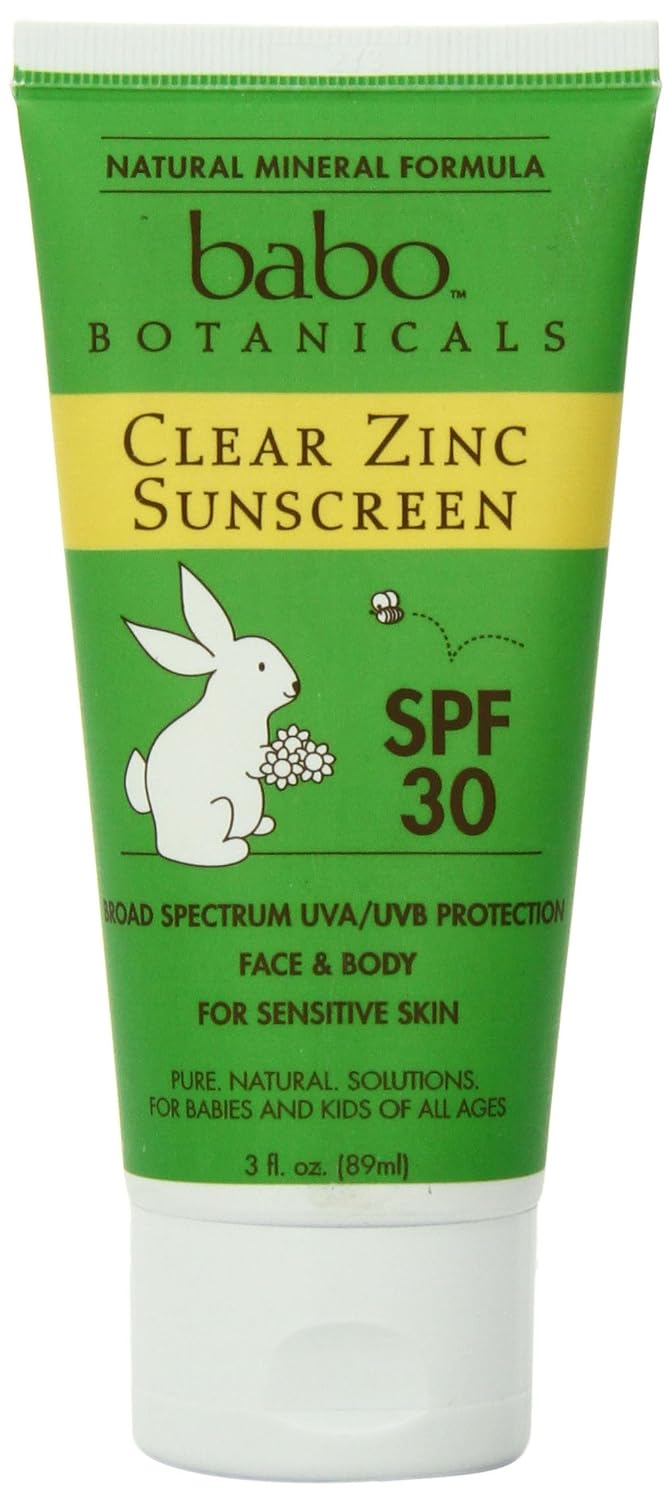
Originally, I was going to use two different sunscreens containing zinc oxide as the sole UV filter. Instead of two different brands of sunscreen, I am now going to use Babo Botanicals 30 SPF Clear Zinc Sunscreen and pure zinc oxide. The pure zinc oxide will represent my constant in my research. Along with Heather, the test strips for my IRP will only tell me if there are heavy metals leeching into the water. I haven't started my project yet, so until then I will just answer some questions!
--------------------------------------------------------------------------------------------
Kristen Copp Section 51.
Very interesting topic, Samm! I really enjoyed hearing about your findings and wish you the best of luck on your research journey! I am curious to know, when you attempted your first experiment to test and see if the sunscreen, when exposed to UV rays, turns into hydrogen peroxide, how much sunscreen did you allow in the tanks? And was it in correlation to the amount of water you had to try and balance things out? Thank you and God Bless!!
I have yet to start my experiment, although I have been thinking about the amount of sunscreen I'll use. The tanks I will be using should hold two gallons of water, and I'm thinking of using 30 mL (two tablespoons) of each sunscreen. Two tablespoons is what most homemade sunscreens recipes use.
Amanda Sterns (sec. 51)--I haven't had a lot of chemistry. Would you mind explaining that chemical equation you posted in your picture? What is going on and/or reacting with what? And you say your research will be on zinc oxide yet the equation is for titanium I believe. Would zinc have the same chemical reaction?
The last time I took a chemistry class was my sophomore year in high school, just about seven years ago.The equation is certainly a lot to take in when you have little to no chemistry knowledge! Luckily, with the amazing, combined help from Dr. Woodall, her husband Paul, and my classmate Brent, they were able to help me find a basic understanding of the equation.

- TiO2 + hv : This is titanium dioxide reacting with ultraviolet light
- TiO2 (e- + h+) : Because of this, electrons are excited into a higher state, leaving a hole in it's old state. Excitation is the process when an electron gains energy and cannot remain it it's particular orbit, so it goes to another orbit with higher energy. (the e- represents the excited electron, and the h+ represents the hole). We'll come back to the excited electron in a moment.
- h+ + H2O --> OH + H+ : The hole causes water (H2O) to break apart a become a free radical which mixes with hydrogen.Free molecules are molecules with unpaired electrons. They are active, constantly trying to find anything to pair itself with (OH represents the free radicals, H+ the hydrogen).
- e- + O2 --> O2 > h+ -->HO2 > HO2 --> H2O2 : So, this last part of the equation is kind of tricky. To talk about it simply, the excited electron mixes with the oxygen in the water. That plus the Hydrogen from the hole all help to form hydrogen peroxide. This part of the equation is tricky because there either seems to be some form of typo or mistake. None of us could quite figure out the dot in the second O2 molecule, and why it was needed. Also, that part of the equation was not balanced correctly. Unfortunately, because I have limited access to the original study, I can't find out anything more about this particular equation to see if anyone commented on it.
I would believe that zinc oxide would have a similar chemical reaction. TiO2 and ZnO are both mineral UV filters, and would produce the free radicals that help create hydrogen peroxide.
Hi.
Tamika Henry OCE1001 02
I was wondering when you say that you are going to sample the water for zinc and create a representative graph from the data you have collected...are you trying to find out of the chemical increased or decrease under UV rays or are you looking for another chemical reaction? And as you charting your findings what type of graph will you use to help the reader understand your project and it's results?
Tamika Henry OCE1001 02
I was wondering when you say that you are going to sample the water for zinc and create a representative graph from the data you have collected...are you trying to find out of the chemical increased or decrease under UV rays or are you looking for another chemical reaction? And as you charting your findings what type of graph will you use to help the reader understand your project and it's results?
When I begin my testing of the water I am going to be looking for the level of zinc in the water since it was introduced to the tank. Similar to my classmate Heather, my test strips can only tell me if metals are leeching into the water, I will not be able to differentiate between the metals, but it can tell me if metals are being leeched, like zinc oxide. As for my graph, I am going to use a line graph to show the amount of metals in the water over time.
Is there any other chemical that can be used in sunscreen that would still protect us but keep harmful toxins out of the ocean? Could an alternative to sunscreen be to wear hats and bring umbrellas?
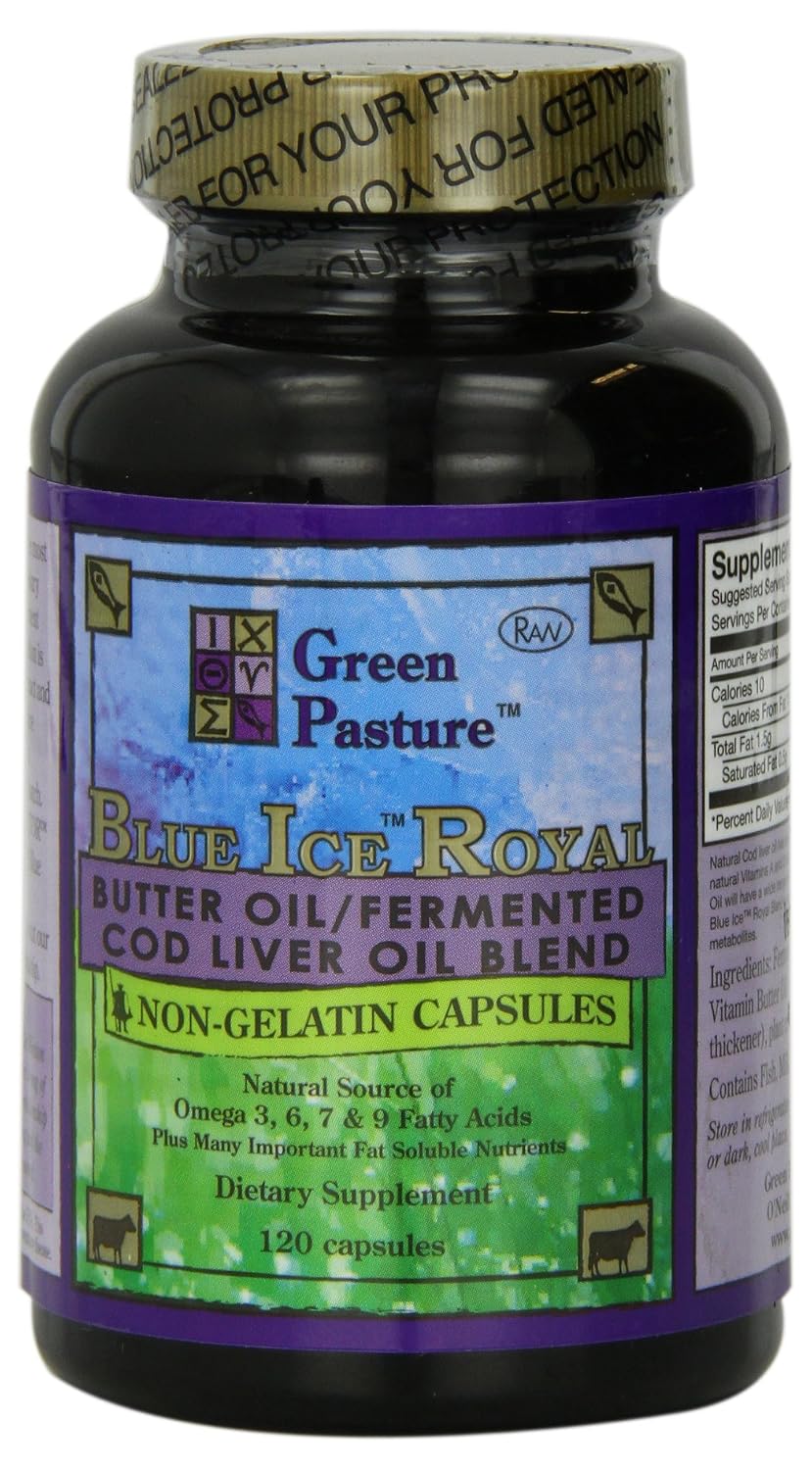
Wearing hats, clothing, and bring umbrellas are definitely good ways to help protect us from the sun! I have also heard that some people use coconut oil on their skin for light protection (SPF 4). Sunburns are an inflammation , and diet can play big factor in sun protection. Eating healthy and eliminating foods like processed foods and sugar can help your body fight off sunburns. There are also supplements that help improve sun tolerance that include
- Vitamin D3
- Vitamin C
- Coconut oil melted into herbal tea
- Fermented Cod Liver Oil / High Vitamin Butter Oil Blend
- Astaxanthin


Samm--I just have to say that your response is thorough and informative. Great job. FYI--I spoke with Dr. Bell today and she may have a method for you to test for Zinc using the flame AA. Let's get with her before you begin your experiment.
ReplyDelete