
I appreciate your questions on my IRP!
Jessy from Sec 102 replied, “Fish eat plastic? What type of fish have they found plastic in?”
Thank you for your inquiries Jessy. Fish do indeed consume plastic- usually unintentional but all times detrimental to their health. I am also trying to find which fish commonly ingest plastics. My question was, is any certain type of fish more susceptible to the effects of plastic pollution? However, not much research has been extensively done and within my research I cannot find a particular species that is most popular to ingestions.
Sarah from section 101 asked, “what happens to the plastic if they do consume it? Do they pass it? Does it digest like other food?”
 |
| Turtles- like fish are curious about their environment. |
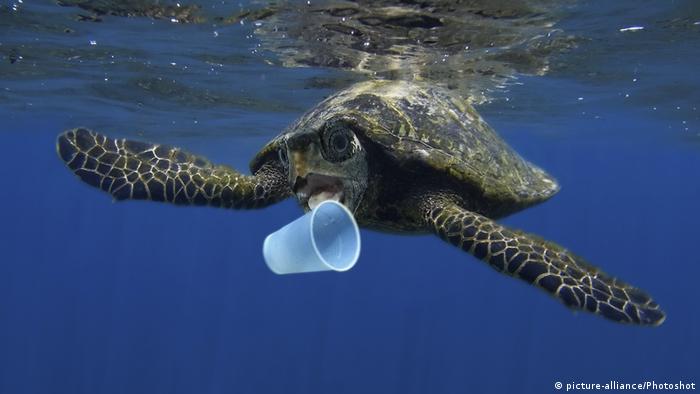 Good question Sarah. The result of consuming plastic is very harmful to all living organisms. Plastic is an artificial man made resource that is not biodegradable. In fact, it takes about 400 years to breakdown the toxic chemical waste composed of plastic. Over the years, this material has bombarded our oceans and marine life.
Naturally, curious fish nibble on the trash and get tangled up in it. Since it takes nearly forever for the material to naturally breakdown, heavy ingestion of plastic forces the consumer’s digestive system to shut down. Plastic is not digested normally so it cannot be processed or passed like usual substances. Interaction with plastic results in deformities and/or death within the creatures of the sea.
Project update- A few changes
Many scientists know that along with conducting research and executing experiments, it is a work in progress. After reviewing the thought process of my previous independent research project proposal post, I found an error in future measurement. I have concluded that using the mass of the fish in relation to the microplastic consumed- will not be sufficient. Most know, I am accepting dead fish remains for extra data and information. Some of the fish received/ found aren't all there. I cannot correctly obtain the data for mass of fish for a species I have half of. So, keeping it moving forward- I am only measuring the fork length of each species and mass of microplastics recovered within.
My Materials: Gloves, Scale, GPS, camera, measuring tape, Fish ID guide, knife
Works Cited
“Plastic Soup – the New Name for Our Oceans.” Green Living @ Planetfem.com / Eco, Environmentally and Green Inspiration for Planet Earth, 2 Oct. 2014, greenliving.planetfem.com/plastic-soup-new-name-oceans/.

No comments:
Post a Comment