
 |
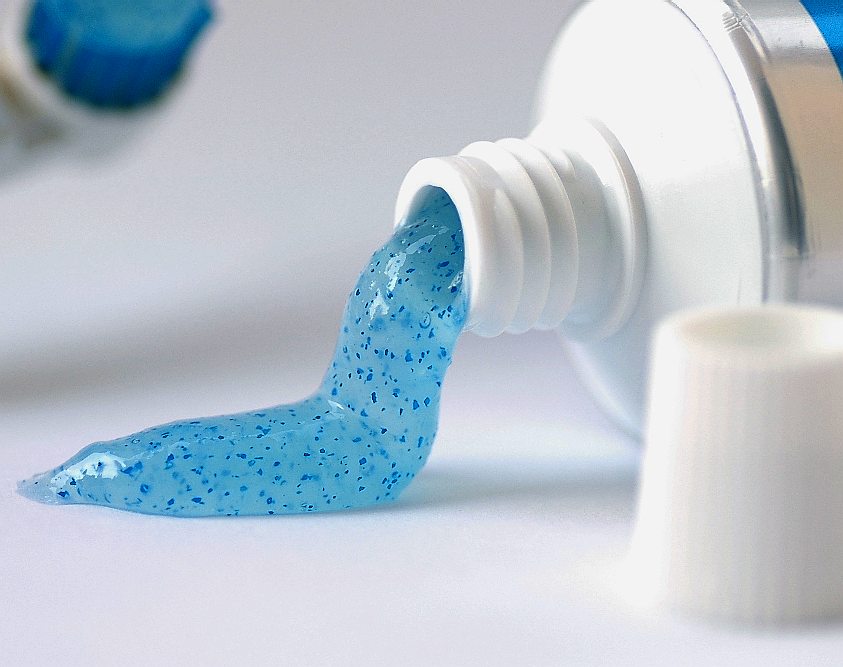
| Microbeads found in toothpaste |
 |
| Microbeads |
Many products humans manufacture, and use can be very
harmful to the environment. For example, many beauty and health products
contain microbeads. According to the National Oceanic and Atmospheric
administration, in 2015 the U.S banned intentionally small designed plastics
called microbeads. Identical to microplastic fibers, microbeads also infiltrate
the waterways and our oceans. Both tiny micro pieces less than five millimeters
long form an indestructible army, forcing aquatic species to adapt to their new
environment. The ocean inhabits many forms of species with countless different
hunting methods/ feeding habits/ location of food source and more. It would be
easy for any animal to receive a mouthful of tiny microplastics and microbeads
in attempts to eat, especially with an environment invaded with tiny little
balls of inevitable harm.

The article 'Our Oceans: A Plastic Soup' by Renee Cho, highlights one of Moore's expeditions in which hundreds of fish are investigated for microplastic consumption by conducting necropsies. The ending results were over 1/3 of the fish had ingested polluted plastic fragments. The same study showed a case of a 2.5-inch fish that had been recorded with 84 pieces of plastic in its stomach. That’s a full stomach for a tiny fish! Often the case is once they consume the plastics, they starve because their stomachs are full, and they cannot properly digest, resulting in internal blockages and death. In 1999 Moore’s research in the Central Pacific found six times more plastic than zooplankton in the water. Once the amounts of plastic start outnumbering the species, we have a problem. These are just a few examples of the fairly new studies on the consumption of plastics in aquatic life.
 |
Laysan albatoss decomposed carcass Photo: Algalita Marine Research Foundation |
 |
| Laysan albatoss on Kure Atoll, North Pacific. |
Important Figure
Charles Moore: An oceanographer and boat captain. Known for discovery of 'Great Pacific Garbage Patch' an area of the Pacific Ocean overwhelmed with floating plastic debris, (3x the size of Texas).
- Through continuous research and dedication, Moore has made numerous expeditions and collected important data concerning the increase of pollution in our seas. This relates to my research project because, just like my data- Moore has proven microplastics are affecting the aquatic environment.
- More details on Moore's expedition's can be found on the "Algalita Foundation's website".
- As well as this significant article written by Charles Moore, where he personally explains his strategy and discoveries.
Moore, Charles. “Trashed Across the Pacific Ocean, Plastics, Plastics, Everywhere.” Natural History Magazine, Nov. 2003, www.naturalhistorymag.com/htmlsite/master.html?http%3A%2F%2Fwww.naturalhistorymag.com%2Fhtmlsite%2F1103%2F1103_feature.html.
“Our Oceans: A Plastic Soup.” State of the Planet, 18 June
2018, blogs.ei.columbia.edu/2011/01/26/our-oceans-a-plastic-soup/.
“When The Mermaids Cry: The Great Plastic Tide.” Plastic
Pollution, plastic-pollution.org/.
US Department of Commerce, and National Oceanic and
Atmospheric Administration. “What Are Microplastics?” NOAA's National Ocean
Service, 13 Apr. 2016, oceanservice.noaa.gov/facts/microplastics.html.

No comments:
Post a Comment