
 |
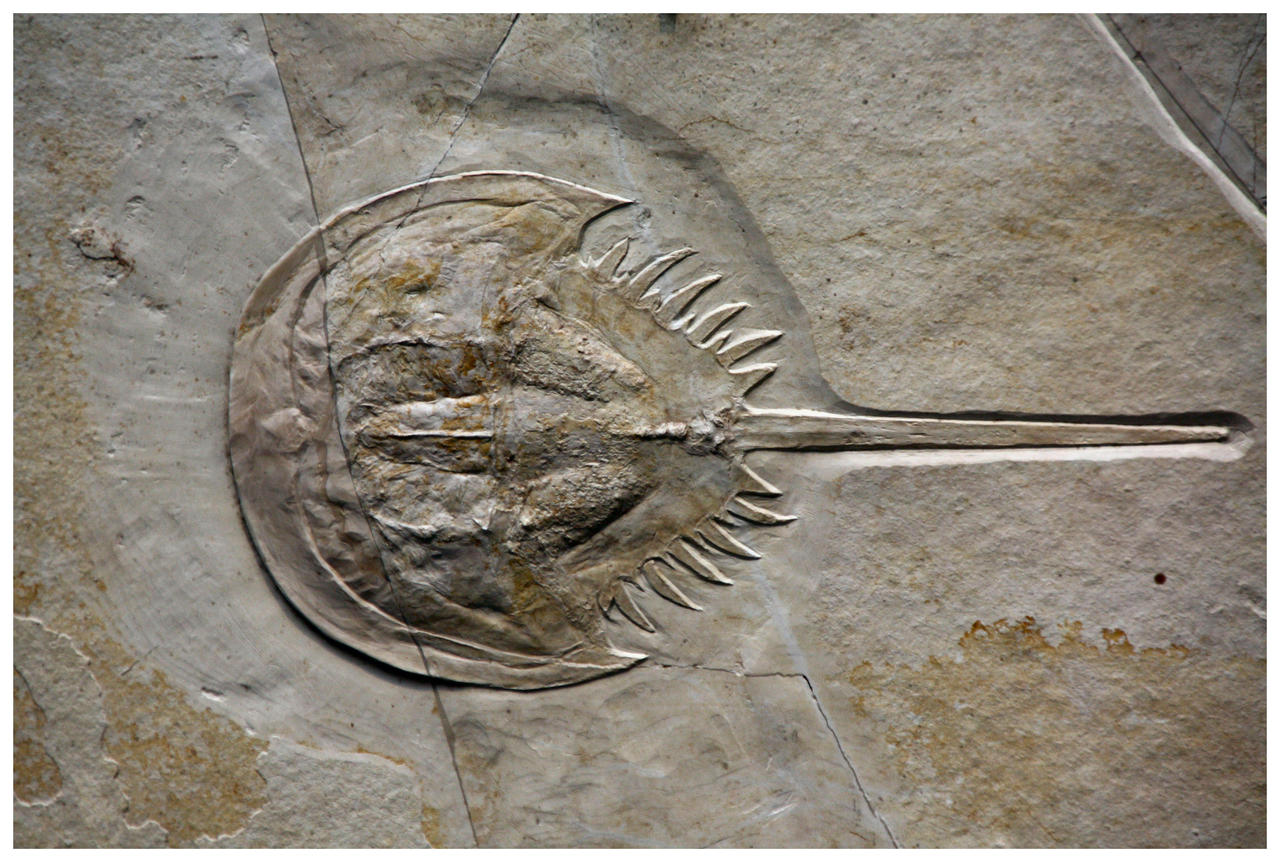
| horseshoe crab fossil |
Horseshoe crabs are the oldest living fossil, they have been around for 450 million years which is 200 million years longer than the dinosaurs! They have been able to survive through all of the plants major changes and remain unchanged which to me is pretty amazing! It still amazes me that even though they have been around so long there is so little know about these unique and very vital keystone organisms.
 |
| Red Knot |
The other important reason is the importance of HSC blood for humans. If you have ever had a vaccine or injectable drug then you owe it to HSC, their blood is vital in making sure all vaccines, injectable drugs, and medical tools and devices are safe for use. The blood of HSC immediately clots up when exposed to an endotoxin like bacteria, this is something that scientist have not been able to recreate and can only be obtain from the blood of HSC. So you owe your health to these pretty amazing organisms. If you look at one of my recent blog posts you can learn a little more about this.
The list can go on as to why horseshoe crabs are so important to our planet and humans alike. The value and goal of my research is to learn as much as possible about their spawning events to better help scientists protect beaches that they spawn on because their spawning is key to the survival of other organisms that rely on them, such as fish and crabs that we rely on to eat. We must also keep populations around so that we can continue to use their blood to benefit our health.

Courtney--first, excellent response! I do want to encourage you to properly identify your acronym for horseshoe crabs. To do this, the first time you use the word horseshoe crab it should immediately be followed by the acronym e.g., horseshoe crab (HSC)--this way the reader will clearly know what HSC stands for and you never have to spell the entire word 'horseshoe crab' again! Great job, Courtney!!
ReplyDeleteWhat do horseshoe crabs eat? Also, do horseshoe crabs have any predators..if so, what are they?
ReplyDeleteCatching up on blog posts. I've read this one, the one you hyperlink to, as well as the article you provide in that previous post, so my apologies if this is covered anywhere else. Based on the general notion of how lab animals are treated, I'm amazed biomedical companies go through the trouble of catching and releasing the horseshoe crabs. Any idea why there aren't any giant horseshoe crab farms that would allow the scientist to regularly get small amounts of blood? Are there any other countries that have such a facility?
ReplyDeleteIs spawning the horseshoe crabs process of laying eggs?
ReplyDeleteAnna S. Sec. 01
Also, what is an optic refractometer? How does it work?
ReplyDeleteAnna S. Sec. 01